What is a Live Dealer Casino?



In this article, we will look at popular questions around live dealer casinos, the most common myths and the most frequently asked questions.
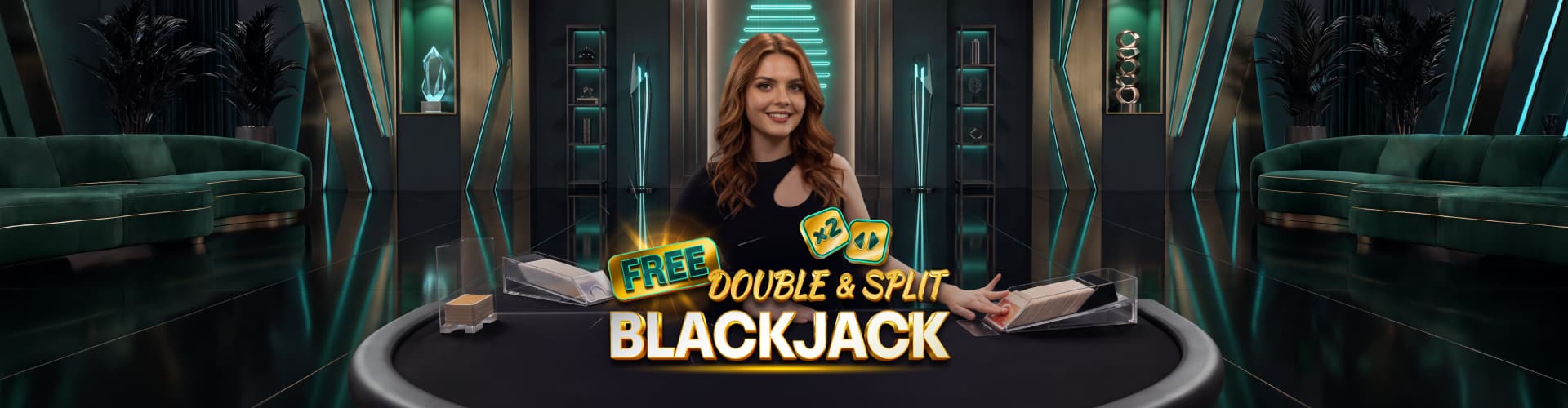
A live dealer casino is one where the games are run by a real dealer at a real table and are streamed to the players in real time.
The dealer deals the cards, spins the wheel or otherwise operates the equipment as appropriate. The players place their bets via the software on their device.
The results from the actual game are picked up by the studio system, confirmed and settled automatically.
It’s a real casino environment, just with online access.
Lots of articles talk about live casino gaming from the player’s point of view. Very few actually go into what happens behind the scenes. That’s important because a live dealer game is much more than just a live stream. Each round is the result of a very specific sequence of events involving the trained dealers, the studio, the game control systems, the cameras, the verification processes and the software all working in concert.
So, what is a live casino?
From a studio point of view, a live dealer casino is a production. It’s not just about broadcasting a table, it’s about getting every hand right, every hand validated correctly and getting it out to the players in the various online casinos in a consistent way.
What is live dealer casino gaming?
Live dealer casino gaming is the format where the actual casino games are played on real tables, run by real dealers in a studio or on a licensed casino floor. The player watches the game via a live video stream and places their bets via the online interface.
The system is a blend of physical gaming gear and digital settlement. When a card is dealt, the roulette wheel will land on a number or the dice will come to rest, the physical result is then converted into game data which can be read by the player’s device and settled automatically.
This is different to the standard RNG casino games where the outcome is all software-generated. In the live games, the outcome comes from a physical event which is then captured and verified by the studio technology.
Companies like ICONIC21 build and run the studios, the game software and the production environments that enable the games to be created. The online casino operators then integrate the games into their lobbies so that the player can access them via their own accounts.
A good example of what a modern live gaming portfolio looks live is available via ICONIC21’s live games portfolio at [https://iconic21.com/portfolio/live-games/](https://iconic21.com/portfolio/live-games/).
Who runs a live dealer casino?
One of the most prevalent myths is that the online casino is running every single live dealer table that you see. In practice, most of the tables are run by the specialist live casino providers. That means that, if you’re watching a dealer on a website called ‘Online Casinos Here’, the dealer might actually work for a separate provider, which then sells the service to the casino.
The provider is in charge of the studio, the dealers, the broadcast infrastructure, the game development and the compliance. The casino operator then integrates those games onto their platform and is responsible for the player accounts, the deposits, the withdrawals and the customer care. This arrangement of responsibilities enables a single provider like ICONIC21 to work with multiple operators at the same time.
Shared tables
The vast majority of live dealer tables are shared tables. A shared table is streamed to the players from many different casinos at the same time. A roulette table running in a studio could be taking bets from players connected through numerous operator brands. The outcome is the same for every player, they just each have their own individual casino account in which the bets are processed.
The benefit for the provider is that they are able to get the most out of their games, by sharing them to different operators across the world. For operators, the benefit is that they are able to access a lot of different casino games without having to manage their own studio.
Dedicated tables
Some operators will go for a dedicated table. A dedicated table serves one casino brand only. This means that the table layout, the language, the dealer presentation and the graphics can all be tailored to the operator’s own brand.
The game mechanics are the same, it’s just that the experience is branded, often with the company logo in the background or on the dealers’ clothes.
Dedicated tables are something that are commonly used by the big operators in order to get that extra bit of differentiation in their live casino.
One round from start to finish
Understanding a single round is the easiest way to get your head around how a live dealer casino works. Although the details will vary from game to game the general process is pretty much the same.
- The betting window opens: At the beginning of the round the system goes live for betting. Players can place their bets via the betting interface. There’s a visible countdown timer which tells you how much time is left before betting closes. The dealer is watching the table and the software is continuously logging the wagers as they come in.
- Betting closes: Once the timer hits zero, betting is locked. No further bets can be placed or altered. That ensures the live dealer only starts moving once all the bets that have been accepted have been recorded. The dealer gets the confirmation that betting’s closed and goes ahead with the round.
- The dealer performs the game action: The dealer now does the physical aspect of the game. Depending on the game this will involve dealing the cards, spinning the roulette wheel, revealing the result, drawing the balls or whatever the game specific action is. The dealer operates to a very strict set of procedures designed to ensure consistency, fairness and to minimize the potential for human error.
- The outcome is captured: This is the stage where live casino technology really comes into its own. Contrary to what a lot of players think, the dealer doesn’t actually input the result. Instead the studio systems capture the physical output via a specialist kit attached to the table. For example, a roulette wheel number can be picked up via sensors and camera systems. Playing cards can be identified via optical character recognition and card reading equipment. The aim is to ensure the physical output is accurately and consistently converted into digital data.
- The result is verified: Prior to settling the bet, the system will validate the captured outcome. Verification is game dependent and technology dependent. The process is automated, in that it involves a comparison of the captured data against the expected data and flags any anomalies. If needed, supervisors can go through the footage and the system info prior to a round being called.
- Bets are settled: Once the result has been confirmed the game software will automatically calculate the win/loss. Player balances are updated in line with the game rules and payout table on a real time basis. The dealer then goes on to set the table for the next round and the cycle starts again.
How does the result get to the player’s screen?
From the player’s point of view, the results are displayed straight away on the interface. This happens almost instantly. However, behind the scenes, a number of systems are working in tandem. High-definition cameras are capturing the action from a number of angles. The video is encoded and then distributed via a streaming infrastructure which is capable of serving a very large number of concurrent viewers. Meanwhile, specialist table technology takes the physical results and turns them into structured game data.
This specialist table technology is different per game.
- In card games OCR (optical character recognition) is used to identify the rank and suit of the cards as they are dealt. That’s OCR in that context, i.e. optical character recognition – the technology of converting visual data into machine readable data.
- Roulette systems will typically be a combination of camera technology and either wheel or ball tracking.
- Dice games can use camera recognition, sensor technology or both.
This data gets fed into the Game Control Unit which is the interface between the physical table and the software. The output is then sent through the game platform and presented to the players in real time. The dealer is still responsible for running the game, just not for entering the result.
What happens if something goes wrong?
There is no operational system that is 100% error free. What matters is how those situations are managed. There are a number of things that can go wrong and a number of processes that ICONIC21 has put in place to deal with those errors. We will go through some now.
Dealer errors
A dealer can occasionally make a dealing error, go wrong by exposing a card or just plain go off script. When that happens, the incident is dealt with in accordance with the game’s rules and operating procedures. The round may be corrected, declared void or replayed depending on the circumstances.
Misread cards or outcomes
Tech can also have its exceptions. A card reading system may fail to read the card correctly or a detection system may pick up an inconsistency. In those circumstances, the supervisors can look at the CCTV and the system records, prior to confirming the outcome.
Player connection issues
A player’s internet connection may drop during a round. The vast majority of platforms will still process the previously accepted wagers in accordance with the rules of the game. When the player reconnects, the results of the completed games will be available in the game history.
Rule-based resolutions
The outcome of operational incidents is game specific. For that reason every live game has detailed rules in place to deal with the exceptional circumstances that arise. They’re there to ensure that decisions are made in a consistent manner rather than on an ad hoc basis.
Fairness and control inside the studio
Fairness in live casino is about much more than the software. Studio procedures are just as important as the outcome as they start with a physical event.
Card handling and shuffling
Card games use approved shuffling procedures and secure card shoes to protect the game. Cards are routinely inspected and replaced in accordance with the operational policies.
Wheel and equipment inspections
Roulette wheels, the balls and all the other physical equipment are subjected to regular inspections and testing. The aim is to ensure that the equipment performs consistently and within the approved tolerances.
Continuous monitoring
Studios are monitored through CCTV and operational surveillance systems. Supervisors oversee tables and can intervene if procedures are not being followed correctly.
Common myths about live dealer games
Some claims about live casino come up again and again in player discussion but not all of them are true. Here are some common ones worth correcting.
“Live games use no RNG at all”
Many live games do use RNG, just not for the main result. Hybrid games, like our game Gravity Blackjack, use software for features like random multipliers, while the cards or the wheel still decide the core outcomes.
“The dealer can see the players”
No video comes in from the player’s side. The dealer sees the table and studio monitors showing game information, but not the people placing bets.
“Live dealer tables always have higher minimum bets”
Table limits are set per table and per operator. Some seated tables do have higher minimums, partly because seats are limited. Shared tables, unlimited-seat games and game shows are built to take many players at once, which allows them to offer low minimum bets.
“The dealer controls the outcome”
The dealer’s only job is to run the game. They cannot and do not decide the result. Cards come from a shuffled shoe, the wheel or the ball, and the outcome is read by studio systems, rather than entered by hand. The dealers following the procedures are under supervision as well.
Conclusion
On screen, a live dealer game looks simple. Behind it is a full production, with a lot of moving parts including trained dealers, studio technology, verification checks and clear rules applied to every round.
The result comes from a real table, it is captured and checked before any bet is settled, and supervisors step in when something looks wrong. That process is what keeps a live game consistent and fair for every player
Share this post